Custom Room Refreshers in Bend, Oregon | Paint, Wallpaper & Styling
A Room Redesign Without Starting From Scratch
Sometimes a room doesn’t need a renovation. It needs a better paint color, a little personality, and permission to retire the furniture arrangement that hasn’t moved since 2014.
That’s the idea behind my custom room refreshers: rethinking what’s already there, bringing in a few intentional changes, and making the space feel pulled together without automatically replacing everything.
A new wall treatment, a hardworking bookshelf, and some thoughtful styling can be a great place to start.
Start with color—not a shopping cart
Before buying more things, decide how you want the room to feel. Cozy and moody? Bright and welcoming? A little more interesting than “the walls came with the house”?
For inspiration, Benjamin Moore’s 2026 Color Trends palette offers a mix of soft colors and deeper, grounding shades. A few worth exploring include:
- Silhouette AF-655, the brand’s 2026 Color of the Year, for a rich brown-charcoal direction.
- Raindance 1572 for a softer, muted green direction.
- Swiss Coffee OC-45 for a lighter option.
- Southwest Pottery 048 when you want to explore something warmer.
My approach: use trends for inspiration, not instructions. The goal is a color that works with your room and the things you actually want to keep—not a room that looks like you ordered the entire internet.
Bring in one piece with some personality
An arched bookshelf is one option I’d consider when a room needs storage and a little visual interest. I like the contrast of a curved silhouette against the straight lines of walls, windows, and sofas. Plus it just looks elevated.
One of my favorites is the Ebern Designs Yasirah Modern Arched Wood Storage Bookcase on Wayfair. I like an arched silhouette for breaking up all the straight lines in a room—it adds a little architectural personality without an actual construction project.
For styling, I’d keep it simple: books, a few meaningful objects, something with texture, and some empty space. Every shelf does not need to audition for a home décor catalog.
A little wallpaper, a lot of personality
Wallpaper is another way to give a space a clear point of view.

Whether it’s a home or a gathering space, I like thinking about wallpaper as part of the whole room: how it works with the furniture, what you see when you walk in, and where you want your eye to land.
But before the pretty part comes the prep. Especially on textured walls.

Can you wallpaper over a textured wall?
Not every textured wall is ready for wallpaper. Raised texture can show through the paper and prevent consistent contact with the adhesive, creating uneven adhesion or air pockets. Light texture may be manageable with the right preparation; heavier texture usually needs more attention.
Here’s the practical version:
- Check the wallpaper’s installation requirements first.
Identify whether you’re working with peel-and-stick, prepasted, or unpasted wallpaper, and follow that product’s surface and preparation requirements. Don’t assume a prep method that works for one will work for all three. - Start with a clean, sound surface.
Repair damage and address loose or failing material before covering it. Wallpaper needs a stable foundation—not dust, peeling paint, or a problem you’re hoping the pattern will hide. - Smooth the texture when needed.
For painted textured walls, skim coating with joint compound is one established preparation method. The goal is a smooth surface, not simply knocking the tops off the bumps. Whole-wall skim coating takes practice; this may be the part worth handing to a professional. - Let repairs dry, sand smooth, and remove the dust.
Don’t rush from wet compound to wallpaper. Allow the compound to dry according to its instructions and conditions, then smooth the surface and clean away sanding dust. - Use the appropriate primer or sealer.
Bare joint compound and other porous surfaces need proper preparation before installation. Choose a wallpaper-compatible primer or sealer suited to the surface and the wallpaper manufacturer’s requirements. Wallpaper primer helps create a more uniform surface for installation; it does not flatten texture. - Be especially cautious with peel-and-stick.
“Peel-and-stick” is not a promise that it will work on every wall. Check the manufacturer’s texture restrictions and paint-curing requirements, and test a sample before committing to the whole room.
For a deeper explanation of the preparation options, ROMAN’s guide to wallpapering textured walls covers skim coating and other approaches.
Keep what works. Change what doesn’t.
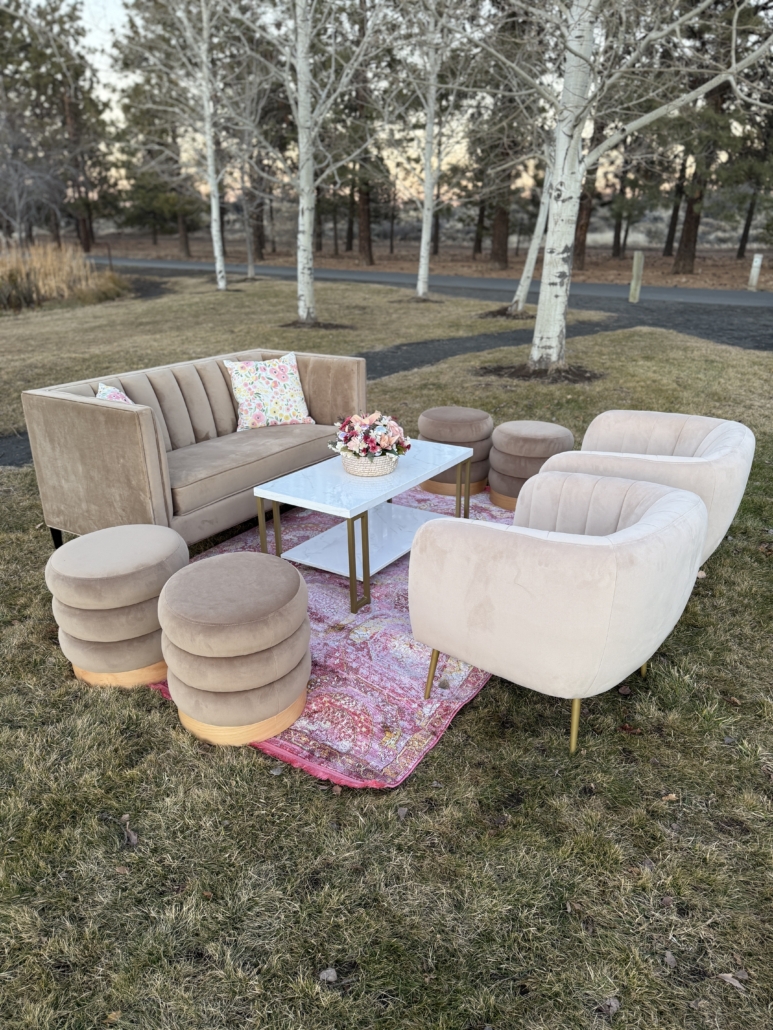
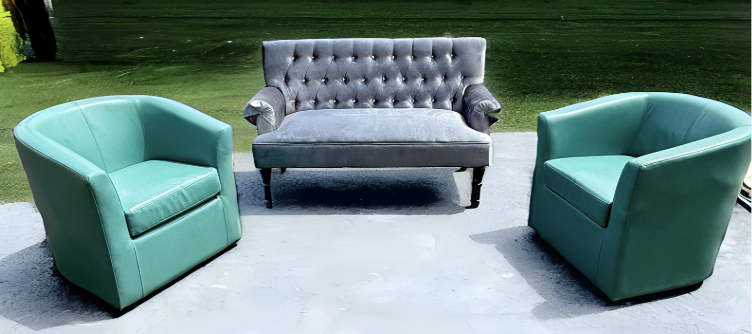
A room refresh doesn’t have to mean a blank slate or a truckload of new furniture. Sometimes just a different rug, pillow color and artwork changeup is enough to revamp.
It can mean finding a color direction, giving a wall a new feature, rearranging the pieces you already love, and adding what’s missing—with a plan that connects it all.
If your room feels almost right but not quite finished, that’s a good place to start.
Get in touch to talk about a custom room refresher in Bend and Central Oregon.